The cellars
Some of these have a tasting room and a gift shop. Some have a dog, a hose and a man who will pour from the tank if he likes you. We visit both kinds.
How access works
Every visit on a Wine Explorers route is arranged directly, by name, for the day you are coming. That means the cellar knows who you are, the person pouring is usually the person who made it, and the tasting is a conversation rather than a script read to a bus.
Which cellars appear on your route depends on the week, the harvest and — honestly — on who is around. We confirm the exact list before you travel, never after.
A cross-section
We describe them by character rather than by name, because the list we confirm for your dates is the only one that matters — and because two of them would rather not be on a website at all.

The scale producer of the valley: modern winery, guided cellar walk, and the best cross-section of Bolivian Tannat you can taste in one sitting.

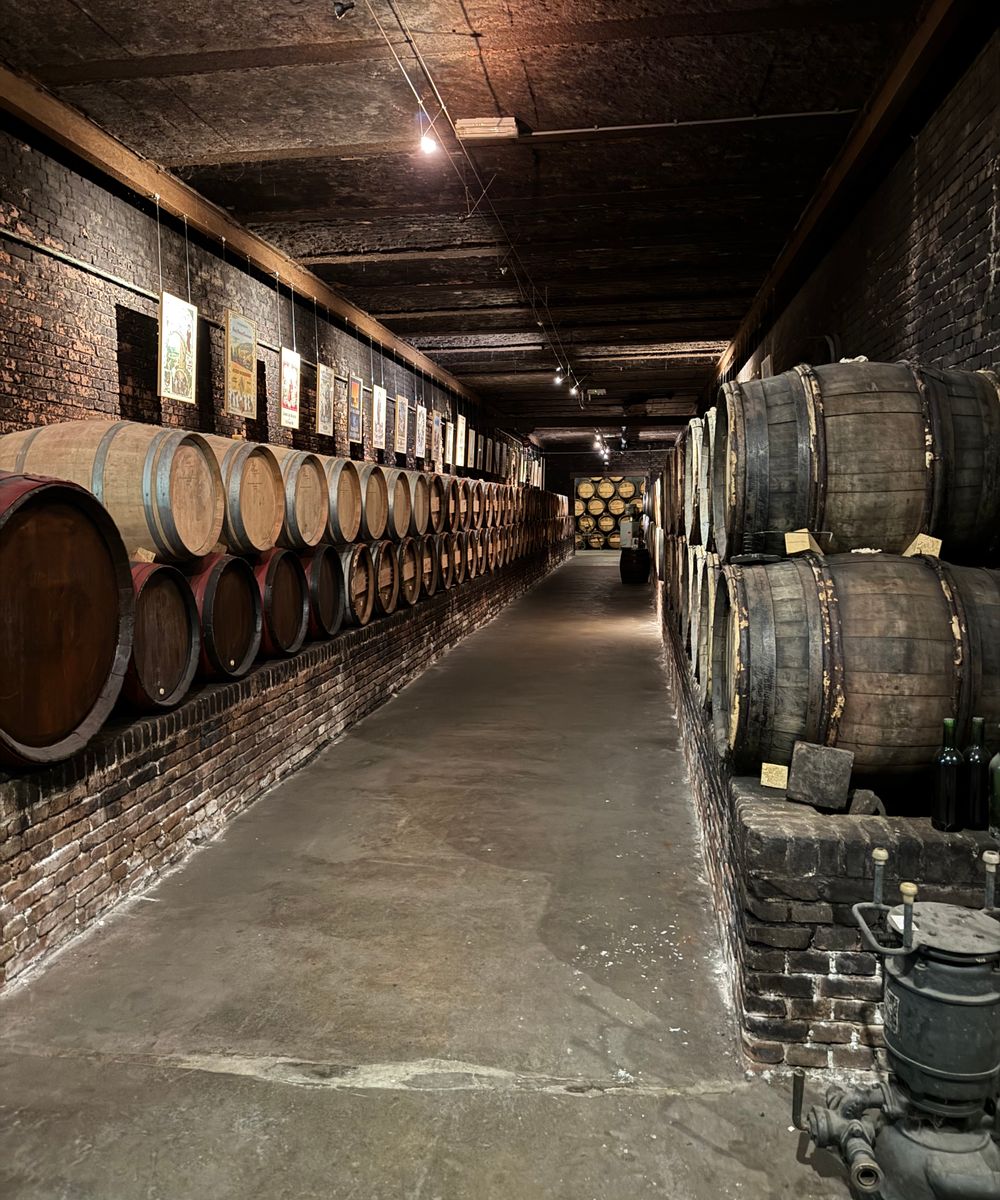
Third generation, 90 hectares, and a barrel room dug into the riverbank. Their single-vineyard Tannat is the wine most guests end up shipping home.
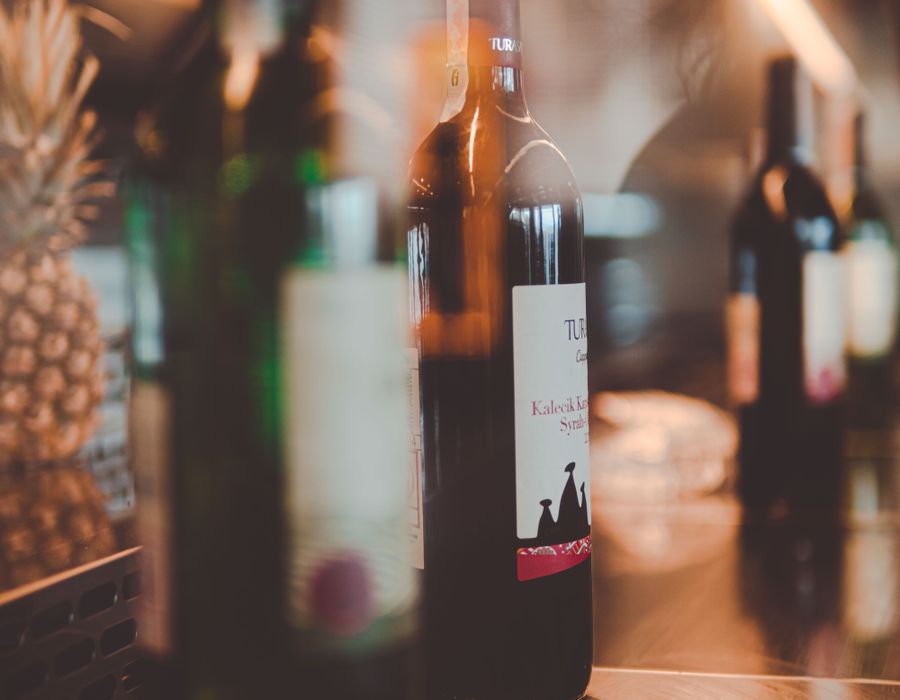
Four thousand bottles a year, made behind a house, by an agronomist who quit a large winery to do it properly. Tastings happen at his kitchen table.

Copper pot stills, Muscat of Alexandria picked at first light, and a distiller who can explain the difference between a first-class singani and everything else in ten minutes.
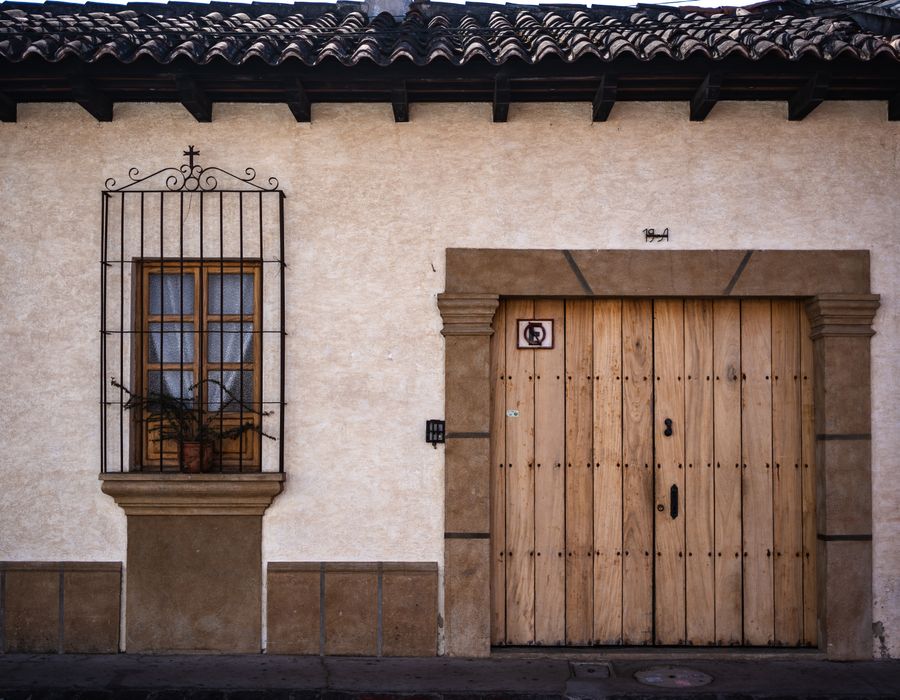
No sign, no tasting room, no website. Ungrafted vines climbing molle trees, and wine drawn from the barrel with a glass pipette.

Eleven families pooling fruit from vines their great-grandparents planted. This is where Vischoqueña actually gets bottled.
Riesling and Gewürztraminer at 1,800 m, made by someone who will tell you exactly which of their experiments failed and why.
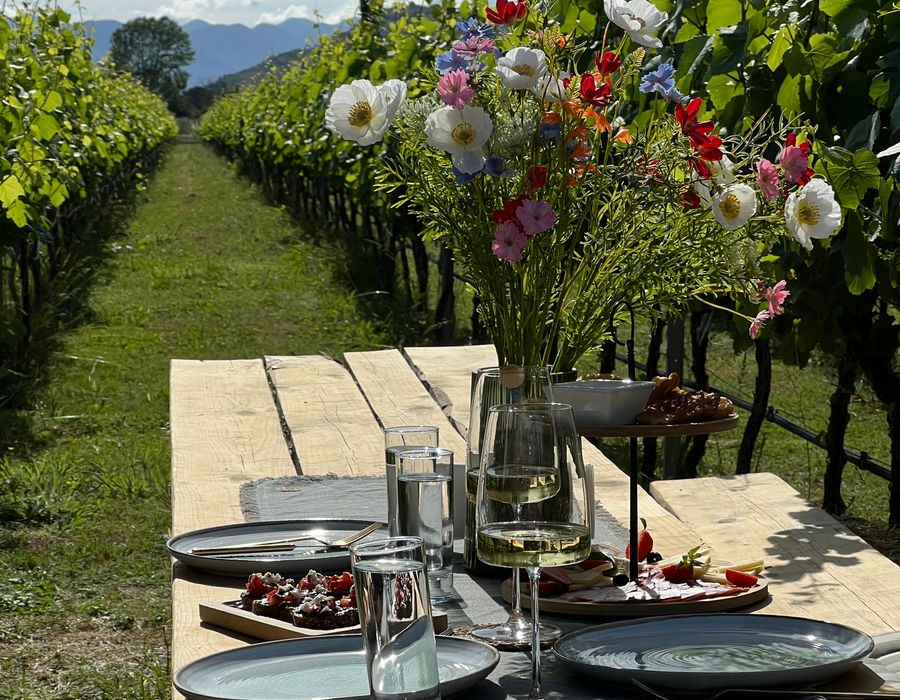
Twelve tables, six rows of vines, one menu that changes when the market does. The wine is almost beside the point until you taste it.
Off the list
There is always a producer who was not on the itinerary. Someone’s cousin, a neighbour with eight rows and a barrel, a distiller who heard we were in town. Those visits cannot be booked in advance, which is exactly why they are worth building space for.
Every route we write keeps one open afternoon per valley. If nothing turns up, you get a long lunch and a nap. Nobody has ever complained about that either.
See how a route is built