Producers are paid properly
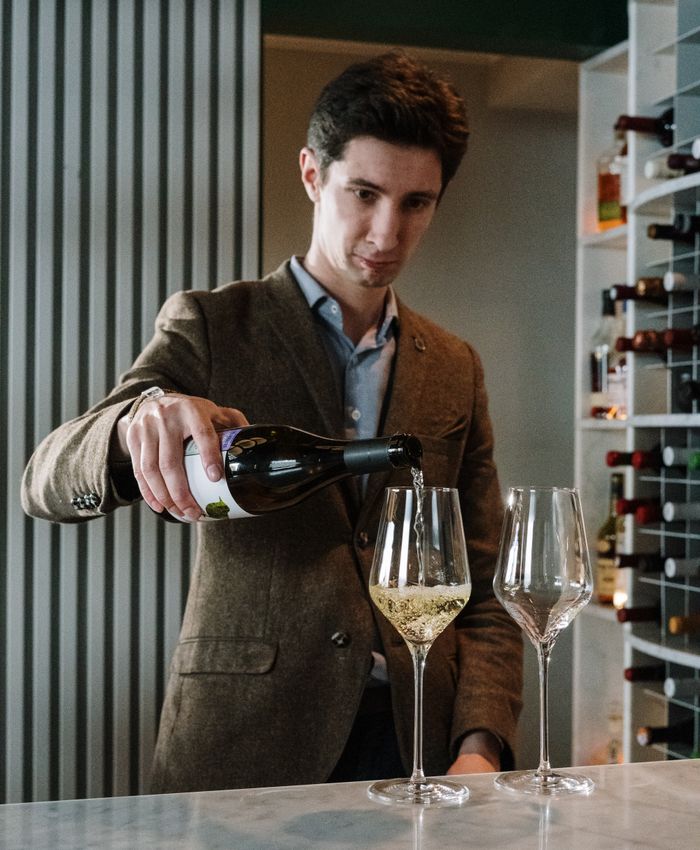
Every cellar on a route is paid for the visit, the pours and the time — before you arrive, at a rate they set. A tasting is work, not marketing.
About us
The short version

In 2016 a sommelier from Buenos Aires wrote to a friend in Tarija asking whether it was worth flying in for four days. The itinerary that came back was six pages long and included two cellars that do not appear on any map.
She sent it to a colleague. The colleague sent it to a wine club. By the end of 2018 the friend in Tarija had written that itinerary forty times and had started turning people down.
Wine Explorers Bolivia exists because of what kept happening next: people who came for the wine left talking about the valley. About the road into Cinti, the woman selling peaches, the eighty-year-old vines nobody had told them existed. The wine was the reason. The country was the trip.
We are eleven people now — guides, sommeliers, drivers, one very patient logistics manager — and we still write every itinerary by hand.
Ten years, roughly
The people


How we work
Every cellar on a route is paid for the visit, the pours and the time — before you arrive, at a rate they set. A tasting is work, not marketing.
Eight travellers is the largest table a small producer can host without it becoming a performance. We have turned down groups of twenty.
Drivers, cooks, guides and guesthouses are local, and we book them directly. Nothing about this business needs a head office in another country.
The best trips we run are for people with strong opinions about wine. Bring yours — we will find something that argues with it.
Talk to us